
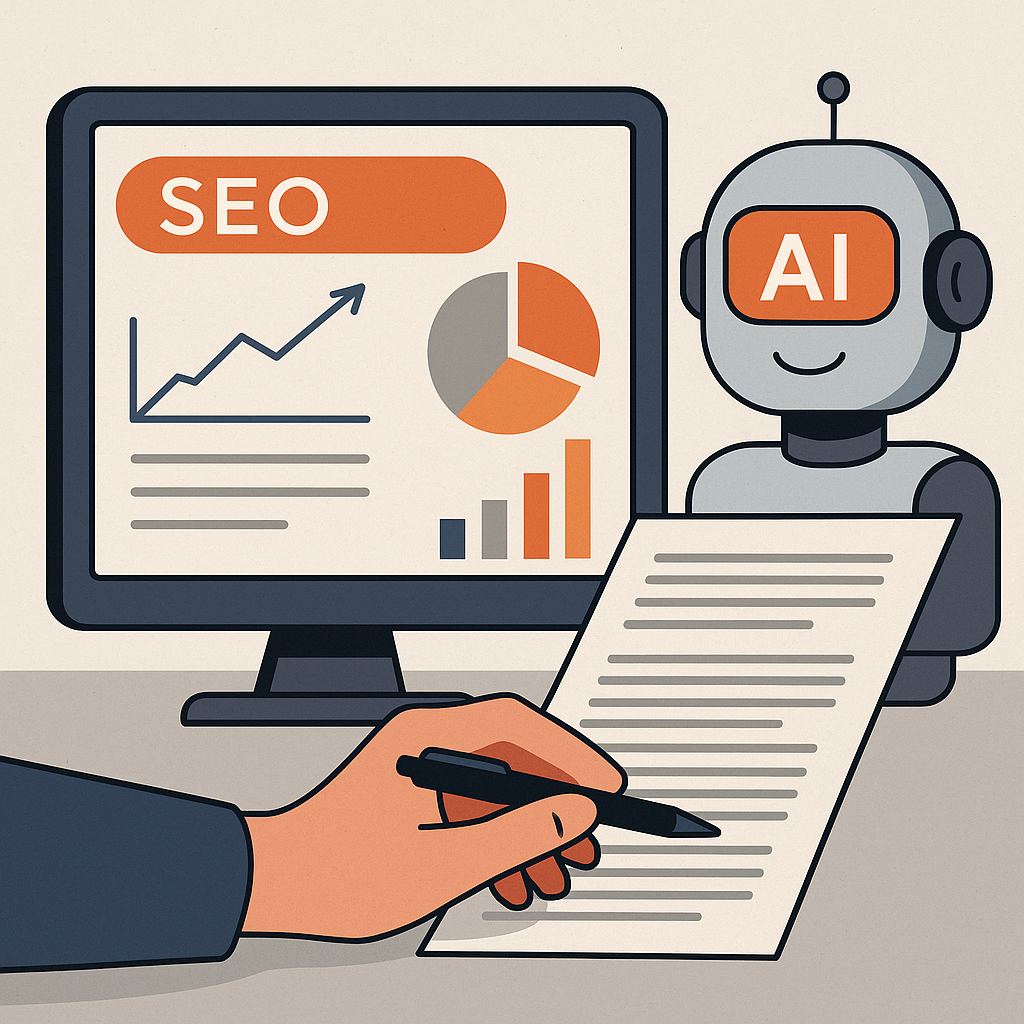
SEO Strategies for AI-Generated Content in 2024
AI-generated content is now a core part of digital marketing, but SEO in 2025 demands more than just stuffing keywords into machine-written paragraphs. With Google’s algorithms continuously evolving to detect quality, originality, and engagement, businesses using AI must rethink how they optimize content for search engines. Here are the most effective SEO strategies for AI-generated content in 2025.
1. Humanize Your AI Content Before Publishing
Search engines are increasingly prioritizing content that feels authentic and reader-friendly. AI-generated text, while fast and informative, often lacks the emotional depth and natural tone readers expect. Use tools like Original Write to rewrite and humanize AI content, helping it pass AI detectors and rank higher by improving readability and engagement.
2. Optimize for User Intent, Not Just Keywords
In 2025, keyword stuffing is dead. Instead, Google looks at how well content answers the user’s query. AI can help generate informative text quickly, but you need to guide it toward search intent. Focus your prompts on solving a problem, answering a question, or explaining a concept users are actively searching for.
3. Use SEO-Optimized Prompts from the Start
One mistake content teams make is generating content first, then trying to optimize later. Instead, prompt your AI tool with SEO goals in mind. Example: “Write a blog post about the top email marketing trends in 2025 using conversational tone and including keywords like ‘email automation’ and ‘open rates.’”
4. Leverage Semantic Keywords and Natural Language
AI content often repeats exact match keywords. This can hurt SEO. Instead, incorporate semantic keywords—variations, related terms, and synonyms. These help search engines better understand the content and improve topical authority. Humanizing tools like Original Write naturally diversify language, reducing over-optimization risk.
5. Prioritize E-E-A-T Signals
Google evaluates content using its E-E-A-T framework: Experience, Expertise, Authoritativeness, and Trustworthiness. AI-generated content needs to reflect human experience to rank well. Add author bios, cite credible sources, include quotes or original commentary, and personalize the content to boost credibility.
6. Break Up Text for Skimmability
Even perfectly optimized content won’t perform well if it’s a wall of text. Break long AI paragraphs into smaller sections. Use headings (H2, H3), bullet points, bold phrases, and short sentences to improve user experience. This also helps search engines understand the structure of your page.
7. Monitor AI Detection Scores
Some SEO tools now include AI detection scores. High detection probabilities can result in lower trust and rankings. After generating your content, run it through a detector and then rewrite or process it through Original Write to improve its human-likeness and pass these checks.
8. Don’t Ignore Meta Tags and Rich Snippets
AI tools can write meta titles and descriptions too, but they often sound formulaic. Review and rewrite meta content with a compelling hook, brand voice, and target keywords. Also, consider structured data for FAQs, reviews, and how-to content to appear in featured snippets.
9. Keep It Updated
AI content can quickly become outdated. Set a schedule to revisit and refresh articles, adding new data, links, or examples. Google values freshness—especially in niches like finance, health, and tech. A quick human review every 3–6 months can give AI content long-term SEO value.
10. Track Performance Like a Human-Written Page
Use tools like Google Search Console and GA4 to track how AI content performs. Monitor click-through rates, bounce rates, and dwell time. If engagement is low, it may need more humanization or improved formatting. Treat AI content like any other digital asset—measure, tweak, and improve.
Conclusion: AI Is a Tool, SEO Is a Strategy
AI can supercharge your content pipeline, but to succeed in 2025, SEO must lead the process. From keyword intent to content structure, voice, and detection safety, every piece of AI-written content needs careful optimization and human refinement. With the right strategies—and tools like Original Write—you can rank higher, work faster, and stay ahead of the algorithm.